What FDA changed
The Food and Drug Administration updated its regulations to clarify when data from alternatives to animal testing can be used in drug safety submissions. The agency says the update is intended to make the regulatory framework clearer as researchers develop new methods for studying how medicines affect human biology.
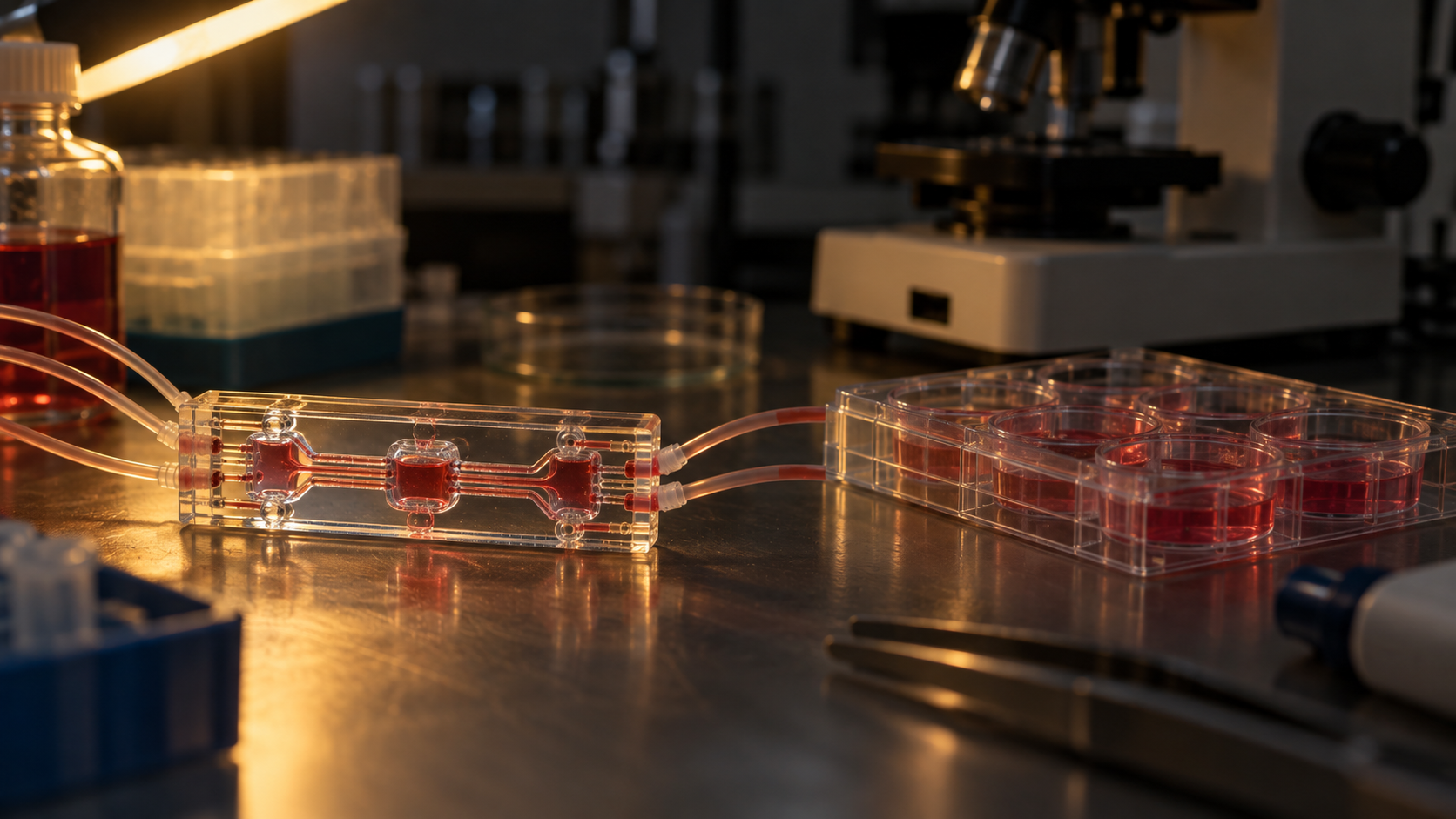
Potential approaches include tests using human cells, organoids, organ-on-chip systems and computational models. A method must be appropriate to the scientific question and supported by evidence showing that it can produce reliable results. The announcement does not mean every new platform will qualify.
What the update does not do
The clarification is not a universal prohibition on animal studies. FDA reviewers may still consider animal data when it is scientifically appropriate, and sponsors remain responsible for submitting an adequate safety package. The choice of method depends on the drug, the question being tested and the quality of the supporting evidence.
The policy reflects a broader effort to expand the use of human-relevant research tools while maintaining safety standards. It does not change the requirement that medicines be evaluated carefully before they reach patients.
Sources
FDA updated its regulations on non-animal testing methods (human cell systems, organoids, organ-on-chip) on September 21, 2026, with the U.S. FDA cited as the source.
No specific statistics are given (e.g., how many submissions this could affect); the precise 'fit for purpose' evaluation criteria FDA will apply are described only in general terms.
A direct link to FDA's official announcement/guidance document is not included; the effective date for sponsors is not specified; response from the contacted agency not yet received.