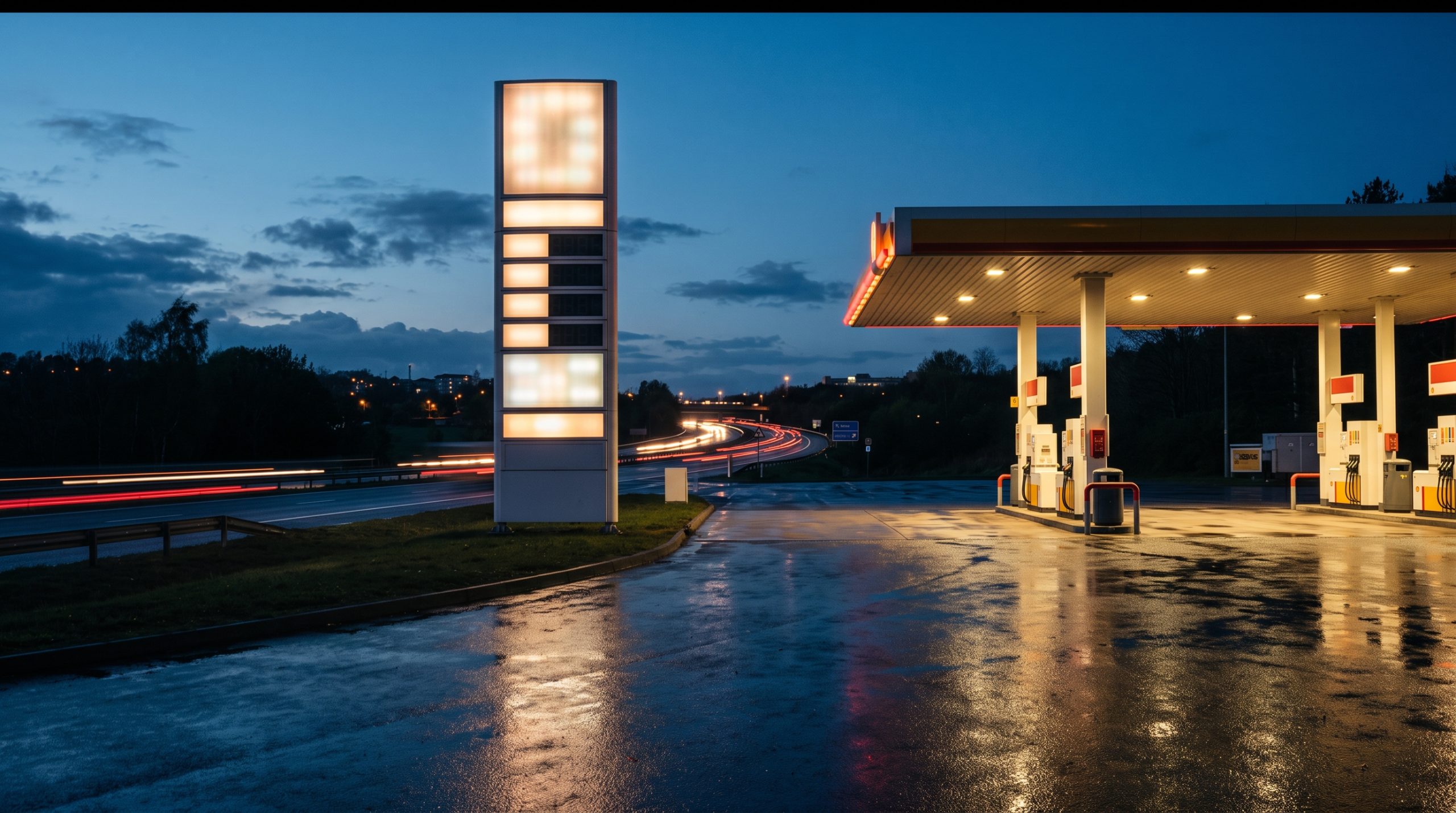
Brent crude closed at $100.34 a barrel on September 21 as European governments announced three different responses to rising pump prices. Germany is cutting fuel taxes, France is offering direct payments and Slovakia is discussing a price cap. The common pressures are renewed conflict in the Middle East and the domestic political calendar.
Germany: According to the German Automobile Club (ADAC), diesel reached a record €2.47 per litre on September 17, while Super E10 petrol hit €2.30. Chancellor Friedrich Merz’s coalition agreed on September 18 to cut energy tax by 14 cents per litre from October 1 through December 31; including VAT, the reduction is about 17 cents. The measure is expected to cost €2.5 billion, split between the federal government and the states. A similar two-month cut in May and June raised debate over how much reached consumers. The Bundestag finance committee approved the new measure on September 23; final votes were scheduled for September 25, days before state elections in Berlin and Mecklenburg-Vorpommern.
France: Rather than cutting taxes, Paris announced a €450 million package on September 22. It includes €100 for people who commute long distances and transport bonuses of up to €1,000 a year from employers, potentially reaching 5.5 million workers. Supply problems continued: on the morning of September 22, 14% of service stations lacked at least one type of fuel, down from 17% two days earlier.
Why a return to normal could take until 2027: Alexander von Gersdorff, a spokesperson for Germany’s fuel and energy association, said the market could take until “well into 2027” to normalise even if a peace agreement were reached, citing lost refinery capacity. Brent had topped $112 earlier this year before falling below $100 and rising again. The EU also extended individual sanctions against Russia by 36 months that week, with more than 3,000 people and entities listed.
Turkey’s connection: Turkish pump prices are closely tied to Brent crude and the exchange rate. European relief measures do not directly change prices at Turkish stations, though a $100 barrel of Brent matters to fuel costs.
Verified: Germany’s proposed cut, tax structure and cost; ADAC price records; election context: France 24/Reuters, Bloomberg and ZDF. Brent close, French package and station figures, and Slovakia: Rio Times, citing Connexion, Reuters and prix-carburant.eu. EU sanctions: Council of the EU and Euronews. Uncertainty: Details of France’s package and station shortages rely on the Rio Times compilation; the French government’s original release was not reviewed. Slovakia’s September 23 decision had not been reported when the article was prepared. Not available at publication: The Bundestag’s September 25 vote had not yet taken place; current Turkish pump prices are not covered here.