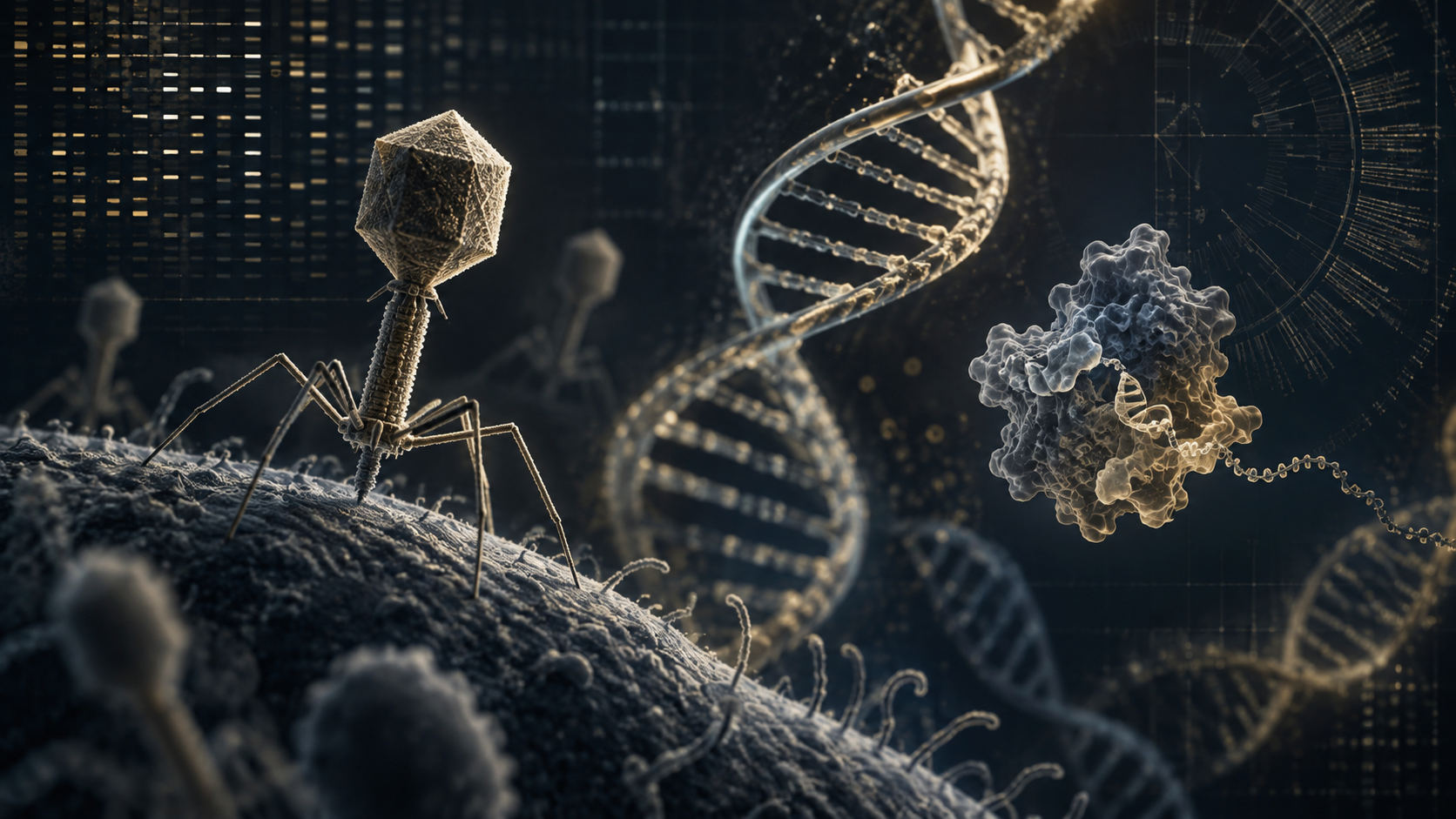
Anthropic says its Claude model helped identify a previously uncharacterized enzyme system in bacteriophages by searching DNA databases. The company named the system array-associated reverse transcriptases (ART), describing its DNA repeats as reminiscent of CRISPR.
According to Anthropic, Claude examined more than 200,000 reverse transcriptases, and researchers tested candidates in a laboratory. The company’s initial experiments found that the ART array produces short RNA molecules. The system’s underlying function remains unknown.
The finding does not mean researchers have discovered a gene-editing tool ready for use. The results are early and are described in a company technical preprint; experiments to understand how ART works are continuing.
Sources: Anthropic research announcement; Reuters.